The Biggest Myth About Prelims: Doing Well ≠ Getting an A
Do you know that doing well for prelims does not automatically guarantee an A in the final exam?
Because at the actual A-Levels, the pressure is different.
The stakes are higher.
And the truth is....... you only get one shot.
One paper.
One chance.
One time… and you cannot screw it up.
So why do students who were scoring well suddenly underperform during the real exam?
It’s not always the content.
It’s the state of the student walking into that room.
Some see a slightly different question and immediately get stunned.
Some panic when the first part feels harder than expected.
Some lose focus because they didn’t sleep well, didn’t eat well, or let stress take over.
Some blank out not because they don’t know, but because their body and mind are not performing at their optimal state.
The finals don’t just test your knowledge.
They test your composure, your physical condition, your mental resilience, and your ability to stay calm when the paper throws something unexpected.

How to Prevent a Prelim-to-Final Crash
Most students don’t underperform at A-Levels because they lack ability.
They underperform because their body, mind, and emotions fail under pressure and science explains exactly why.
Here’s how to protect your performance on the one day that matters:

1. Sleep Well — Your Brain “Saves” Your Memory at Night
Research published by the U.S. National Institutes of Health (NIH) shows that sleep plays a causal role in memory consolidation — meaning your brain literally locks in information while you sleep, not while you’re revising. Poor sleep weakens recall, slows thinking, and increases careless mistakes.
Science Source: NIH / PMC – Sleep-dependent memory consolidation study.
What to do:
Prioritise 7–9 hours of quality sleep
Avoid late-night cramming before the exam
Keep a consistent sleep schedule, especially during exam week
2. Eat Well — Your Brain Runs on Fuel
Your brain consumes up to 20% of your body’s energy.
When you skip meals or eat poorly, your cognitive performance dips: slower processing, weaker focus, and reduced mental stamina.
What to do:
Eat balanced meals with protein + complex carbs
Stay hydrated
Avoid sugary spikes right before the paper
3. Strengthen Your Immune System — You Cannot Afford to Fall Sick
Sleep and immunity are directly linked in medical research.
Lack of sleep and chronic stress weaken your immunity , making you more likely to fall sick right before exams.
Science Source: NIH & sleep medicine journals.
What to do:
Sleep well
Stay hydrated
Take care of your stress levels
Avoid burnout weeks before exams
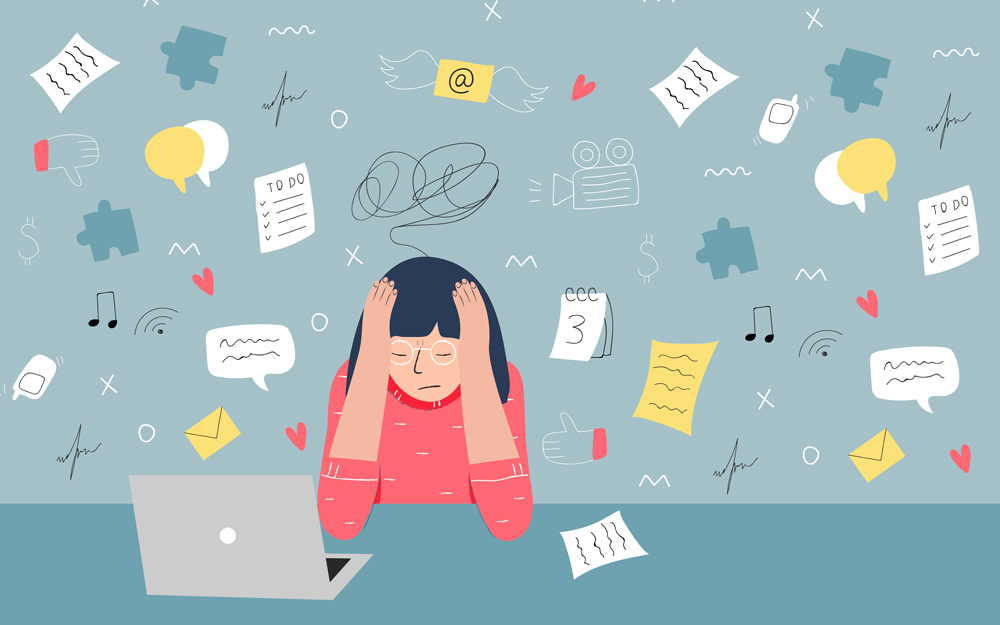
4. Manage Stress — High Stress Literally Damages Clear Thinking
Studies from Harvard Medical School and the American Psychological Association show that stress impairs the prefrontal cortex ,he brain area responsible for logic, decision-making, and comprehension.
This is why students panic, misread questions, or freeze even when they know the content.
What to do:
Practise grounding and breathing
Remind yourself: 发挥平常水平就好 (perform your normal level)
Don’t try to “overperform” ("Gek kiang") on exam day
5. Exercise Regularly — It Boosts Dopamine and Mental Clarity
Research from the University of Portsmouth confirms that exercise increases dopamine ,a neurotransmitter linked to motivation, focus, and mental sharpness.
Another study published in Frontiers in Psychology found that regular physical activity reduces stress and increases emotional resilience.
Science Sources:
University of Portsmouth — Exercise & cognitive performance
Frontiers in Psychology — Exercise & emotional well-being
What to do:
15–30 minutes of walking, jogging, or simple movement daily
Light exercise before studying to wake up your brain
6. Pace Yourself — Burnout Will Destroy Your Final Performance
Students who peak too early or push too hard often burn out before the real exams. Burnout impacts memory, motivation, and emotional stability.
What to do:
Study in cycles
Don’t overload in August–October
Keep a long-term, sustainable rhythm
7. Protect Your Confidence — A Stable Mind Performs Better
A calm, confident student writes sharper answers.
A panicked mind makes sloppy, inaccurate decisions.
What to do:
Use positive self-talk
Reflect on your past improvements
Surround yourself with supportive people
Build exam-day affirmations
The Summary: Success Is More Than Studying
When your body is tired, your mind collapses.
When your mind panics, your answers crumble.
When your emotions spike, your logic disappears.
But when you take care of yourself , physically, mentally, emotionally , you walk into the exam with a steady, unshakeable confidence that transforms your performance..